
Justine Tondeur
December 18, 2025 · 1 min read
The most detailed guide to understanding Phuket’s real estate market, opportunities, laws, costs, and best investment strategies. Your reference for success in Thailand.
1. Introduction: Why Phuket is the Top Investment Choice in 2026
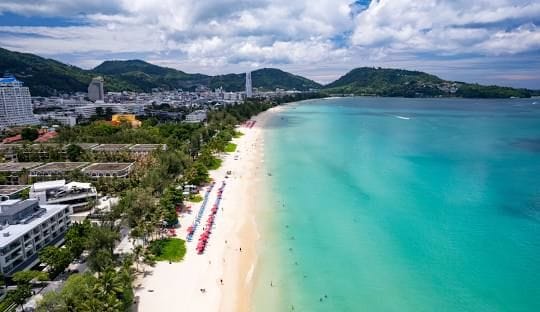
Phuket is today one of the most attractive real estate markets in Southeast Asia. With its tropical climate, world-famous beaches, constant influx of tourists and expats, and modern infrastructure, the island offers a unique environment for profitable and secure investment.
In 2025, Phuket confirms its role as an international hub:
- New direct flights arriving
- Development of premium zones like Bang Tao and Rawai
- Growing number of expats and digital nomads
All these factors boost rental demand. Result: yields remain high, property values continue to grow, and investors worldwide are massively interested in the island.
Our Expert Analysis: the island is in full transformation. Early investment in emerging zones offers unprecedented capital appreciation potential, combined with robust rental yields.
2. Phuket’s Competitive Advantage: Returns and Security
2.1. Unmatched Rental Yields in Asia
Thanks to strong tourist demand, a long high season, and robust occupancy rates year-round, Phuket outperforms most Western real estate markets:
| Property Type | Estimated Annual Net Yield | High Demand Period |
|---|---|---|
| Condos | 6% to 10% | Nov. to April (High Season) |
| Villas | 8% to 12% | Year-round (Families, Groups) |
In comparison, many European cities struggle to exceed 3 to 6%. The profitability gap is clear.
2.2. Stable and Diversified Rental Demand
Demand doesn’t rely on a single source, stabilizing the market:
- International tourists: Generate the highest short-term prices.
- Digital nomads & remote workers: Seek semi-long rentals (3 to 6 months) in areas like Rawai and Cherng Talay.
- Expat families: Require villas near international schools (long-term).
2.3. A Market in Full Appreciation
The island is undergoing rapid transformation, increasing land values: New premium zones, modernized infrastructure, and luxury marina projects.
3. Mastering Thai Legal Framework: Freehold vs. Leasehold
Investing in Phuket requires understanding a precise legal framework. Don’t make the mistake of ignorance.
3.1. Freehold: Full Ownership for Foreigners
Freehold (full ownership) is the simplest and safest way for a foreigner.
- What? Mainly apartments (condo units) in residences where a maximum of 49% of units is held by foreigners.
- Benefits: Lifetime ownership, easy transfer, maximum title security.
3.2. Leasehold: The Secure Long-Term Contract
Leasehold is a 30-year renewable lease (often structured as 30 + 30 + 30).
- What? The most common acquisition method for villas and land by foreigners.
- Note: The lease is registered with the Land Office, providing legal protection. Solid due diligence on renewal structure is essential.
3.3. Purchase via Thai Company
Expert Warning: Once common, this method is strongly discouraged today unless the company is real and active. Using “nominee shareholders” is illegal and subject to increased scrutiny. Always prioritize Freehold or structured Leasehold.
4. Which Property Type to Choose for Rental Investment?
4.1. Condominiums: Simplicity and Cash Flow
- Ideal for: Tourists (short-term) and digital nomads (semi-long-term).
- Strengths: Freehold purchase possible, easy rental management, low maintenance costs.
4.2. Villas: Heritage and High Returns
- Ideal for: Expat families (long-term) or luxury stays (short-term).
- Strengths: High returns, strong asset value, and resale potential.
- Key to Success: Excellent property management is imperative to control maintenance.
4.3. Villas in Gated Communities
The Security-Return Compromise: they offer integrated management, 24/7 security, and premium amenities (shared pool, gym), ideal for demanding clientele.
5. Key Zones Where Your Investment Thrives
Each Phuket zone has a specific rental target. Choose your zone based on your yield strategy.
| Zone | Target Tenant Profile | Recommended Property Type | Potential (2026) |
|---|---|---|---|
| Bang Tao / Cherng Talay | Luxury, Premium, Wealthy Families | Upscale Villas, High-end Condos | High (Fastest Growing Zone) |
| Rawai / Nai Harn | Expats, Digital Nomads, Families | Condos, Villas (long-term) | Stable & Robust |
| Patong / Kalim | Tourists (Short Stay) | Condos, Small Apartments | Very High (Highest Rental Volume) |
| Kamala | Luxury and Tranquility Mix | Hillside Villas with Views | Moderate to High (Premium Niche) |
| Chalong | Families, Affordable Housing | Condos / Townhouses (long-term) | Stable (Near Schools/Amenities) |
6. Budgeting Your Investment: Real Costs
It’s crucial to include all fees to calculate precise net returns.
6.1. Acquisition Fees (Transfer)
These fees are typically shared between seller and buyer:
- Transfer Fee: 2% of assessed price
- Stamp Duty: 0.5%
- Business Tax (if quick resale): 3.3%
- Legal Fees (Due Diligence): 20,000 – 50,000 THB
6.2. Monthly Ownership Costs (Estimates)
- Maintenance Fee (for Condo): 40 to 120 THB/sqm/month
- Electricity and Water: Varies by usage. Expect around 5–7 THB/kWh for electricity.
- Property Management: 20% to 30% of gross income, essential for peace of mind.
Pro Tip: For a 5M THB condo, a net yield of 6% to 8% is realistic, provided you optimize maintenance and management costs.
7. The Secure Purchase Process: 7 Steps
We simplify the process to guarantee a risk-free transaction.
- Property Selection: Define target and budget.
- Legal Due Diligence: The most critical phase. Verification of: Chanote title, Building permits, Freehold quotas, Charges.
- Reservation Agreement: Payment of Booking Fee (about 2-5%) to take property off market.
- Sales & Purchase Agreement: Signing of final sales contract.
- Payment Schedule: According to timeline (progressive for new, total for existing).
- Land Office Transfer: Official property transfer and key handover.
- Rental & Management: The start of your passive income generation.
8. Strategies to Maximize Your Property’s Profitability
8.1. Short-Term vs. Long-Term Rental
| Strategy | Advantages | Disadvantages | Ideal Zones |
|---|---|---|---|
| Short-Term | Higher yields (price/night), flexibility | Demanding management, high turnover | Patong, Bang Tao (Beaches) |
| Long-Term | Stable occupancy, less management | Lower monthly yield | Rawai, Chalong (Residential) |
8.2. Profitability Levers
To stand out on Airbnb/Booking and capture premium clientele:
- Tasteful decoration + Professional photos.
- High-end equipment (quiet AC, quality bedding).
- Including a Washing Machine (a huge plus for long-term tenants).
9. Avoid Pitfalls: Our Anti-Error Checklist
Novice investors often make the same mistakes. Our expertise helps you avoid them:
- Never buy without having the title deed (Chanote) and permits verified by an independent lawyer.
- Trusting unrealistic “guaranteed returns” (> 10-12%). Always check exit clauses.
- Underestimating maintenance costs and the need for professional management.
- Buying a property that doesn’t match the zone’s rental target (e.g., a large family condo in Patong).
10. Conclusion: Your Next Step Toward Successful Phuket Investment
Investing in Phuket in 2026 is one of the best decisions you can make to diversify and grow your wealth. The market is dynamic, rental demand is strong, and returns are attractive.
However, the complexity of Thai legal framework requires a trusted local partner.
Palmora Property is your ally on the ground. From due diligence to turnkey rental management, we secure your investment from A to Z.
Ready to turn your Phuket investment dream into profitable reality?
Contact us today for a free consultation and property selection matching your yield objectives.